
Description
The Junkers Ju88 is a twin-engined multirole combat aircraft designed and produced by the German aircraft manufacturer Junkers Aircraft and Motor Works. It was used extensively during the Second World War by the Luftwaffe and became one of the most versatile combat aircraft of the conflict. It was one of the Luftwaffe’s most important and heavily used aircraft during the Second World War. The aircraft, akin to several other German bombers of the era, served as a bomber, dive bomber, night fighter, torpedo bomber, reconnaissance aircraft, and heavy fighter. Perhaps most unusually, it was adapted into a flying bomb towards the end of the war. The assembly line ran constantly from 1936 to 1945, building in excess of 15,000 Ju88s across dozens of variants, making it the most-produced twin-engine German aircraft of the period and the second-most produced bomber of all time behind the four-engined Consolidated B-24 Liberator. Throughout its production run, the basic structure of the Ju 88 remained unchanged.
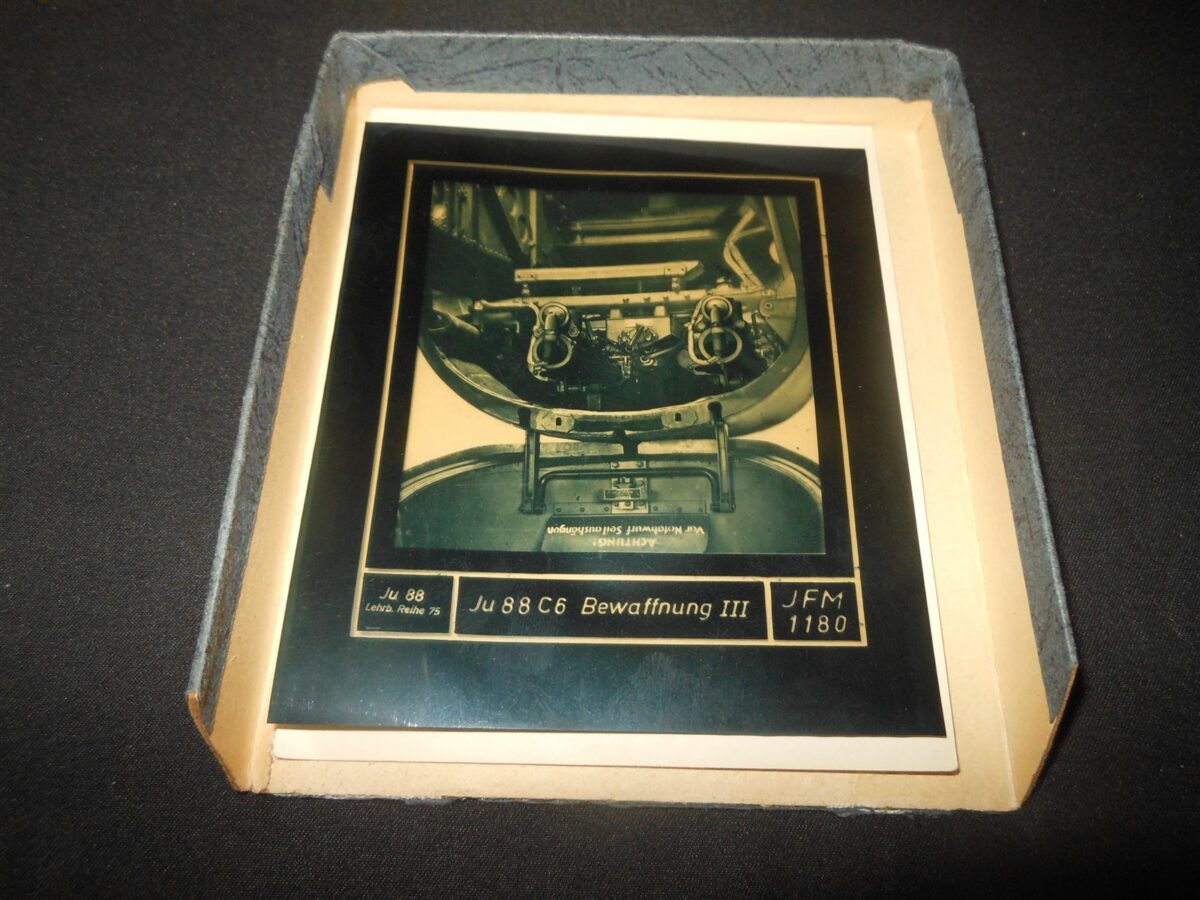
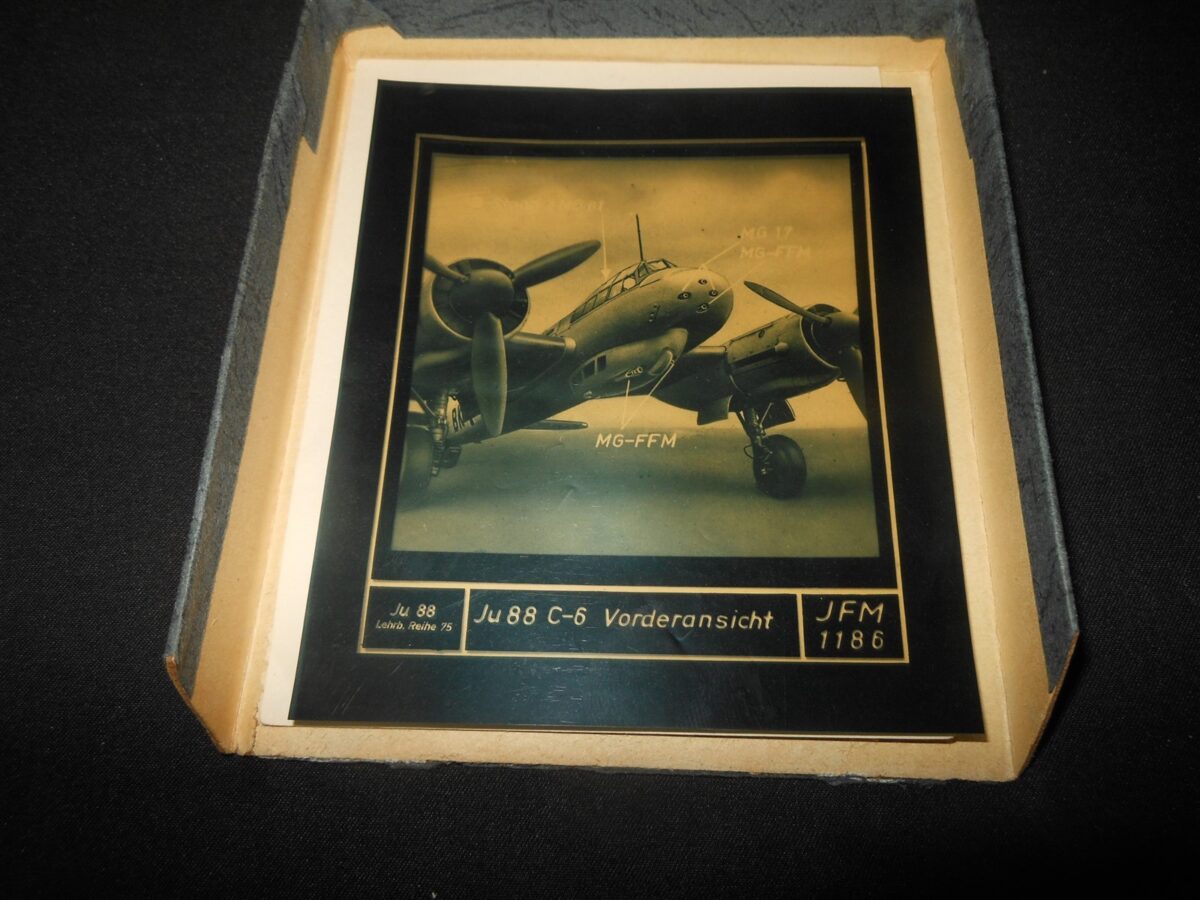
The first version of the Night Fighter varaint was the Ju88 C-1 with 20 aircraft converted from A-1 airframes. Some of them entered service in the Zerstörerstaffel of KG 30 which became part of II./NJG 1 in July 1940. The C-1 was followed by the C-2 of which 20 aircraft were converted from A-5 airframes with enlarged wingspan. The C-4 became the first production version with 60 produced and 60 converted from A-5 airframes. The C-6, of which 900 aircraft were produced, was based on the A-4 airframe with more powerful engines and stronger defensive armament (single- or dual-mount belt-fed 7.92 mm (0.312 in) MG 81 or 13 mm (0.512 in) MG 131 instead of drum-fed MG 15 machine guns).
The C-6 as night fighter was typically equipped with FuG 202 Lichtenstein BC low-UHF band airborne intercept radar, using the complex 32-dipole Matratze antennas. The first four C-6 night fighters were tested in early 1942 by NJG 2. The trials were successful and the aircraft was ordered into production. In October 1943, many C-6s were upgraded with new radar systems. The first new radar equipment was the FuG 212 Lichtenstein C-1. After the UHF-band Lichtenstein radars had been compromised to the Allies in the late spring of 1943, the next development in German AI radar was the VHF-band FuG 220 Lichtenstein SN-2, discarding the 32-dipole Matratze antennae for the much larger eight-dipole Hirschgeweih (stag’s antlers) aerials, required for the longer wavelength SN-2 system.[33] Many Ju 88C’s had their Bola gondolas modified to hold up to two forward firing 20 mm (0.787 in) cannons. Several C-6 night fighters were equipped with two “Schräge-Musik” upward-firing 20 mm (0.79 in) cannons in trial fittings, and from mid 1943 onward, there was an official field modification kit available for this arrangement.
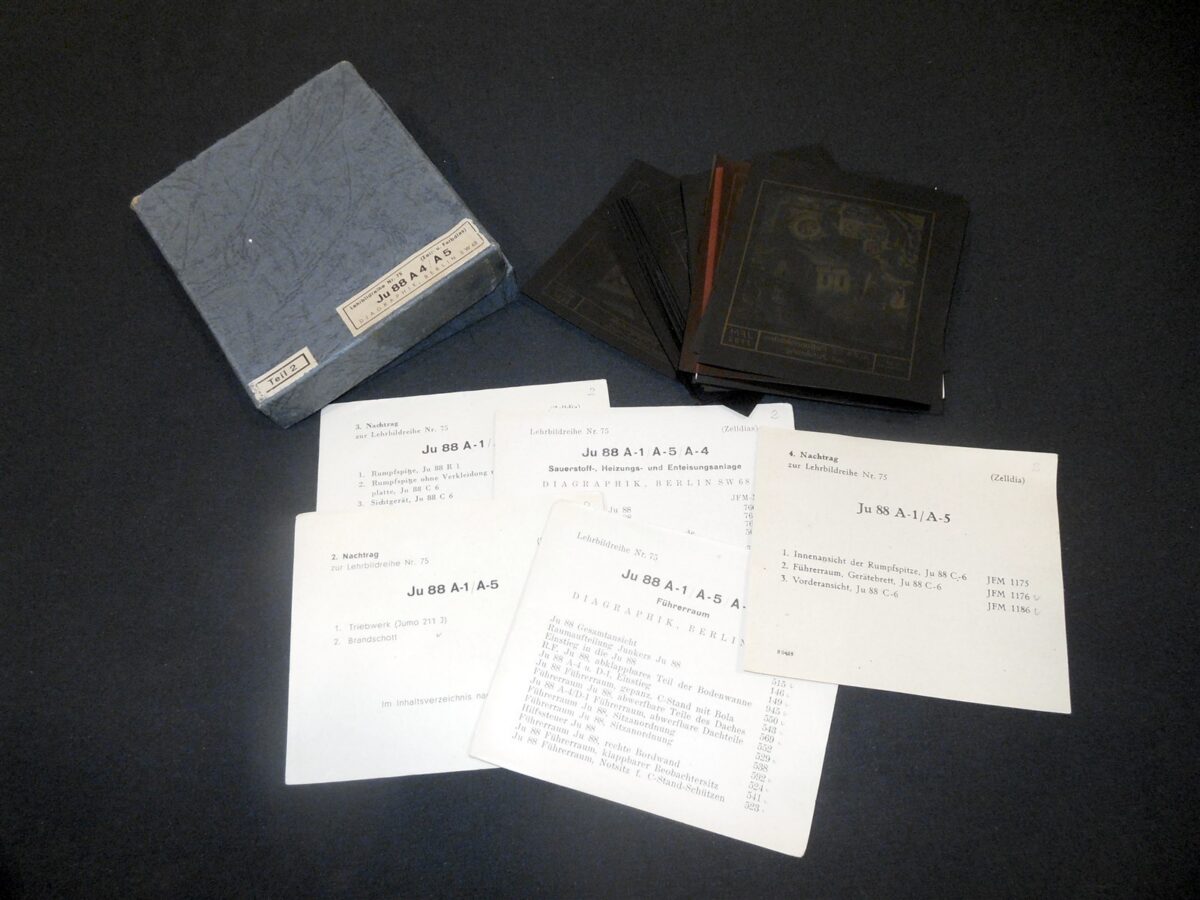
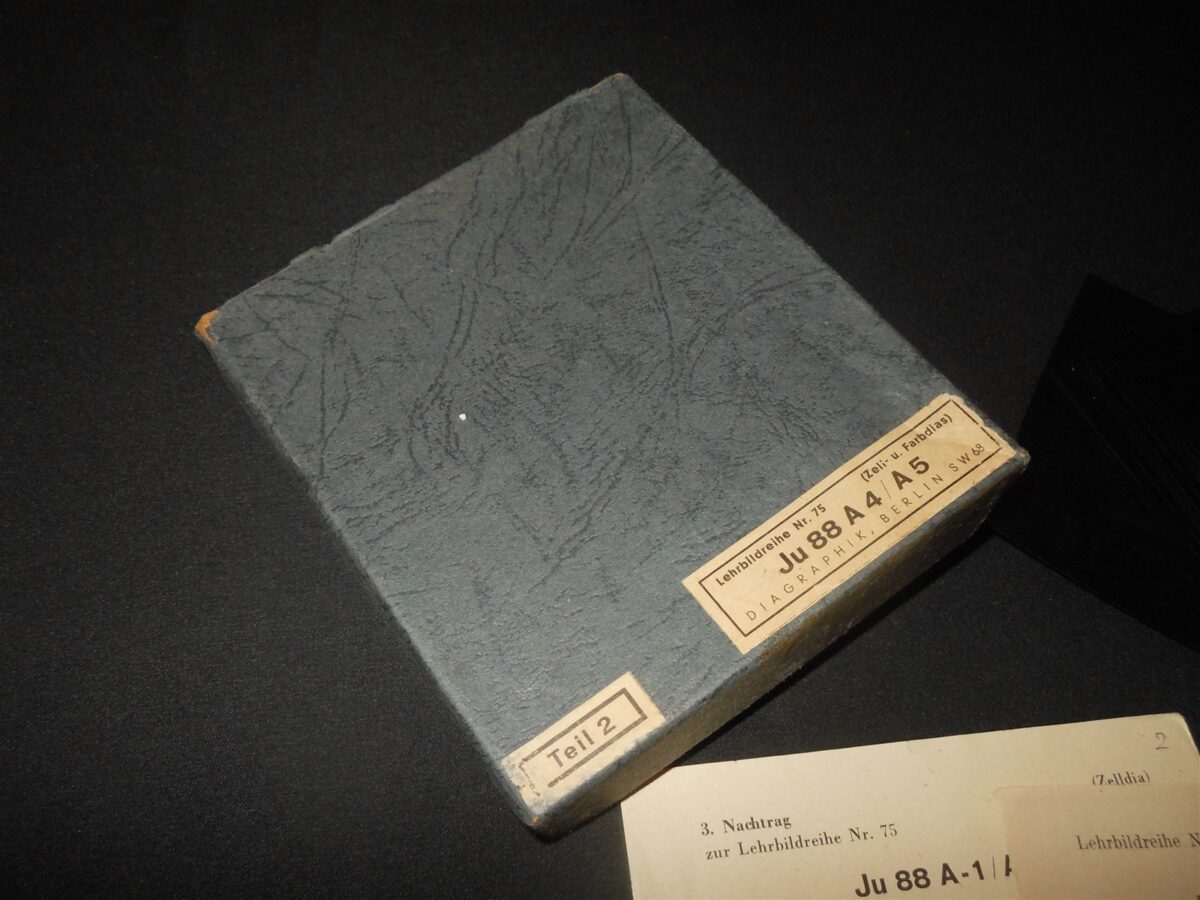
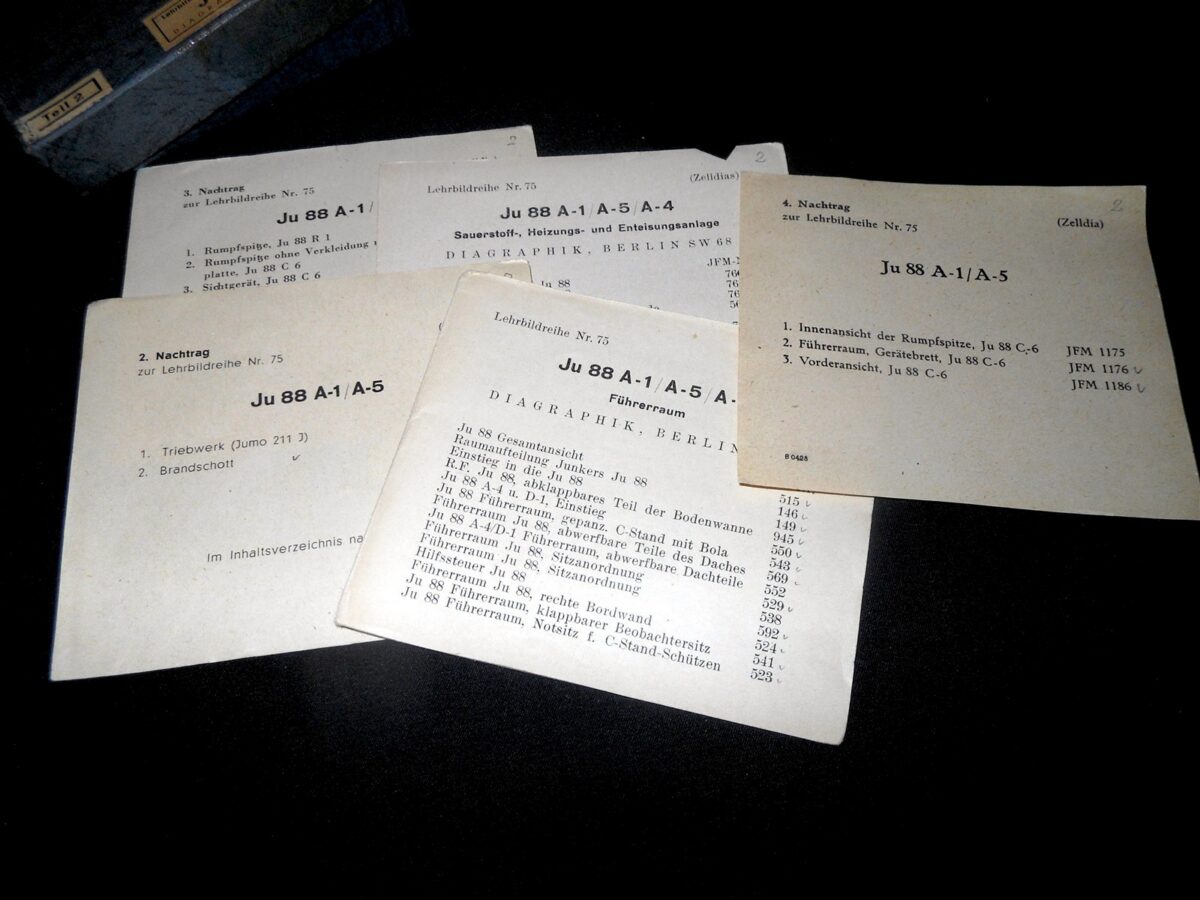
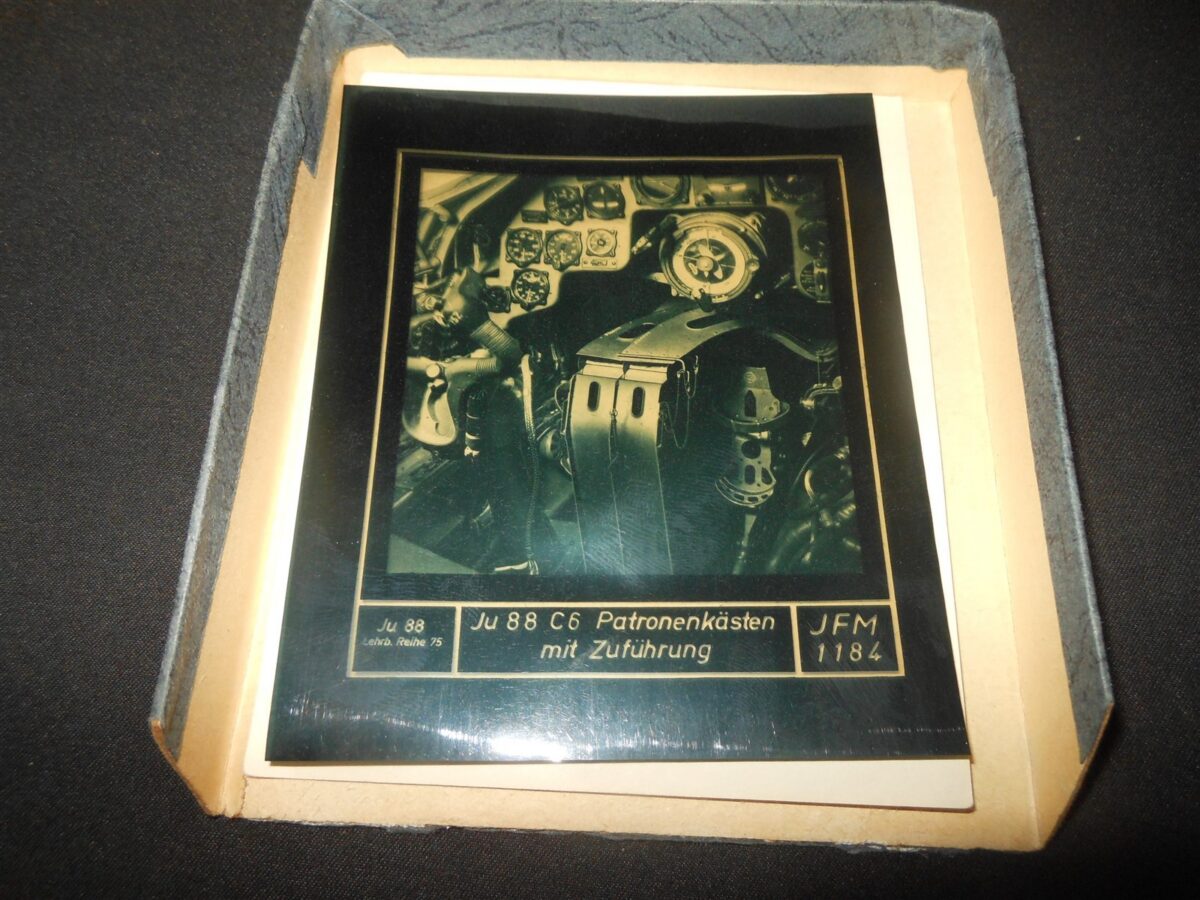
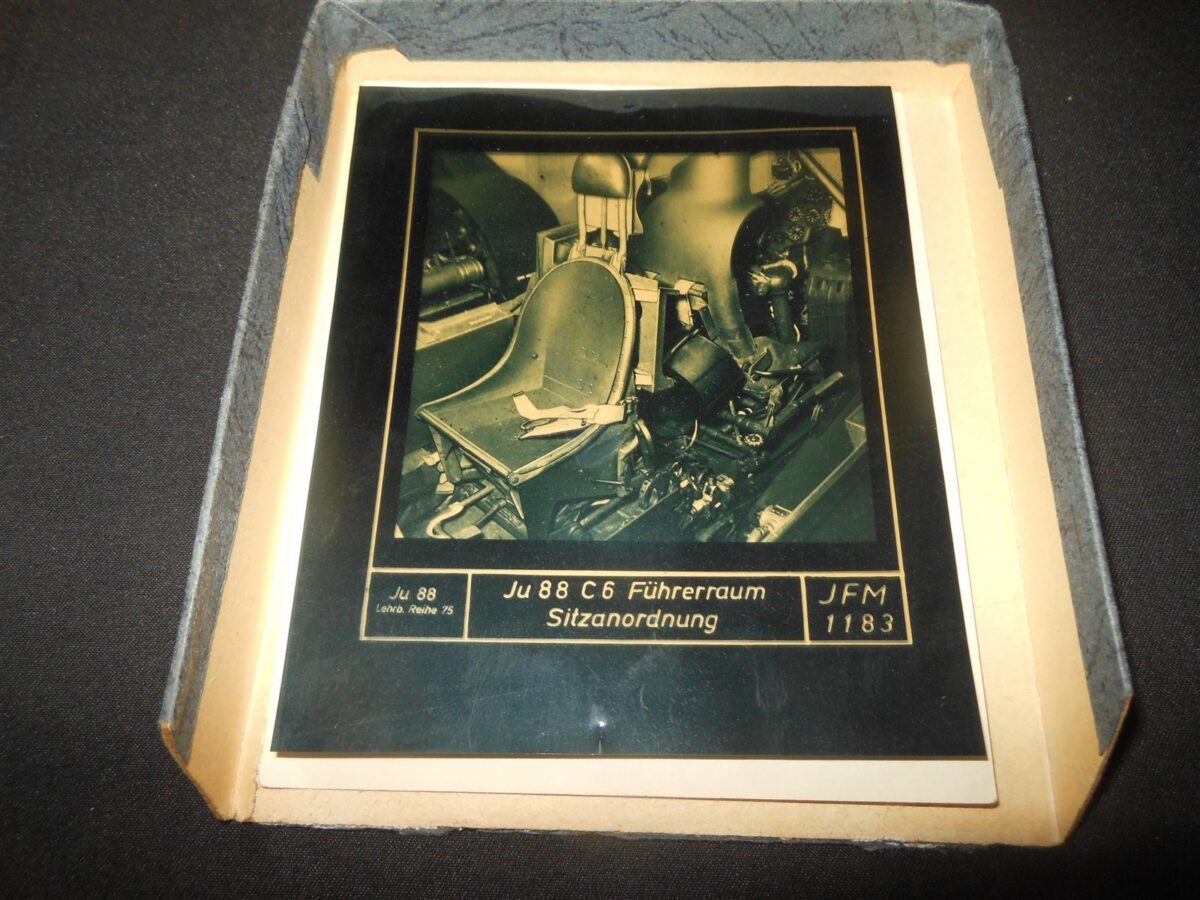
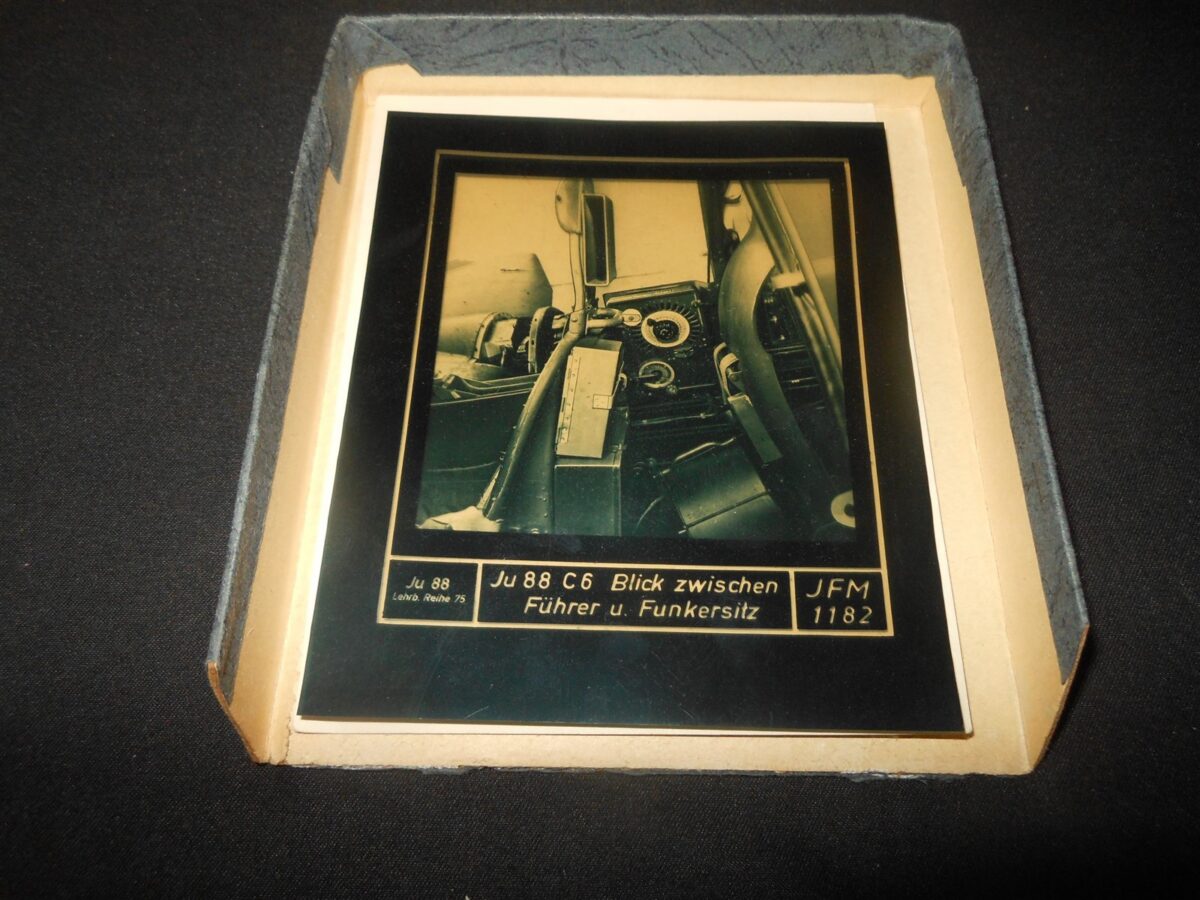
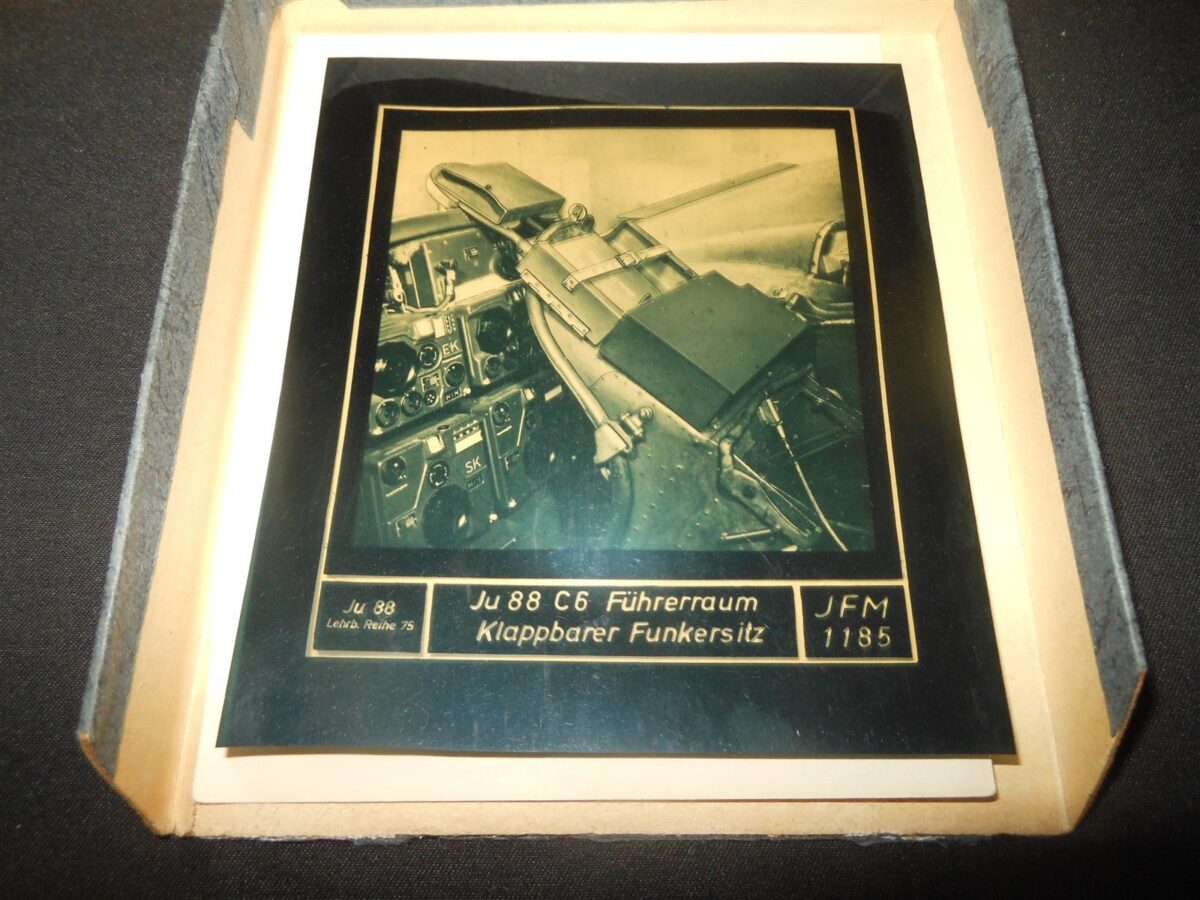
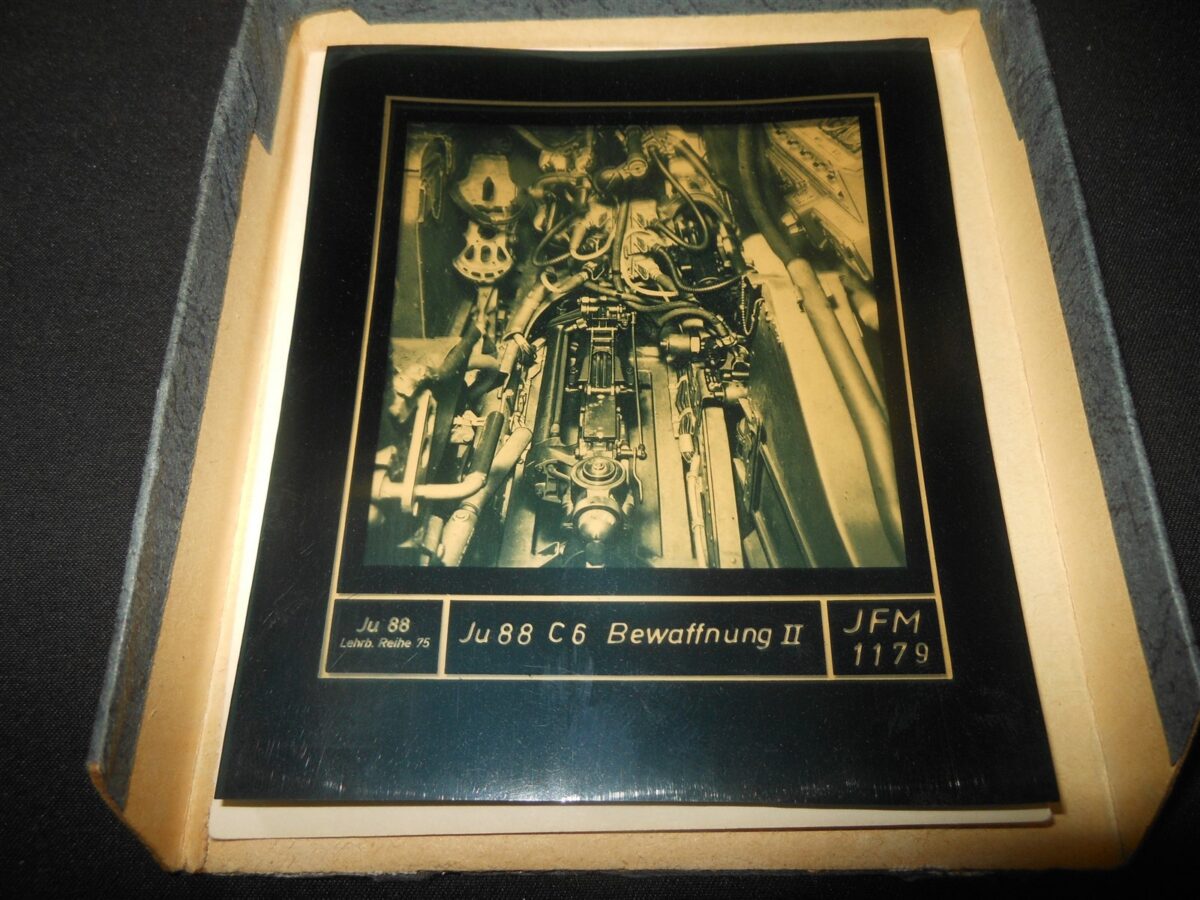
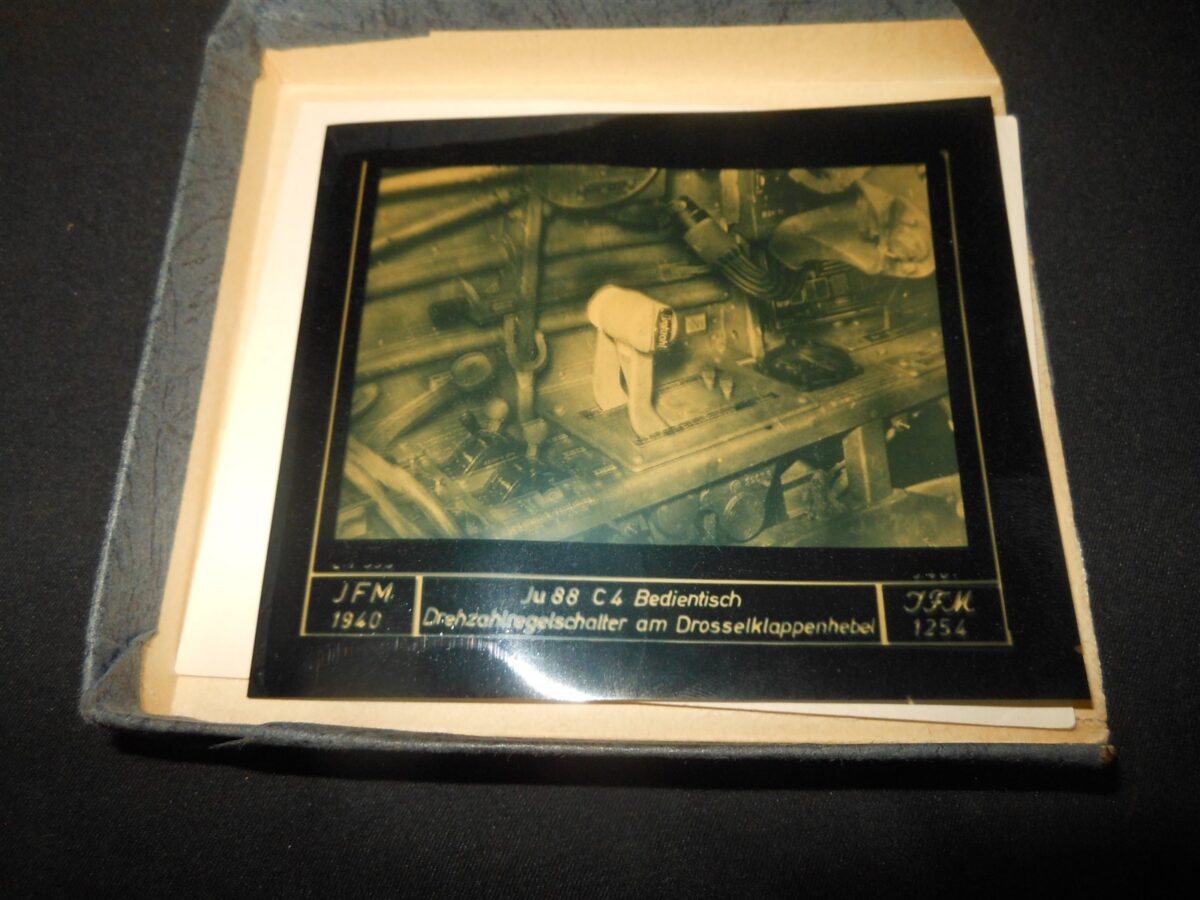
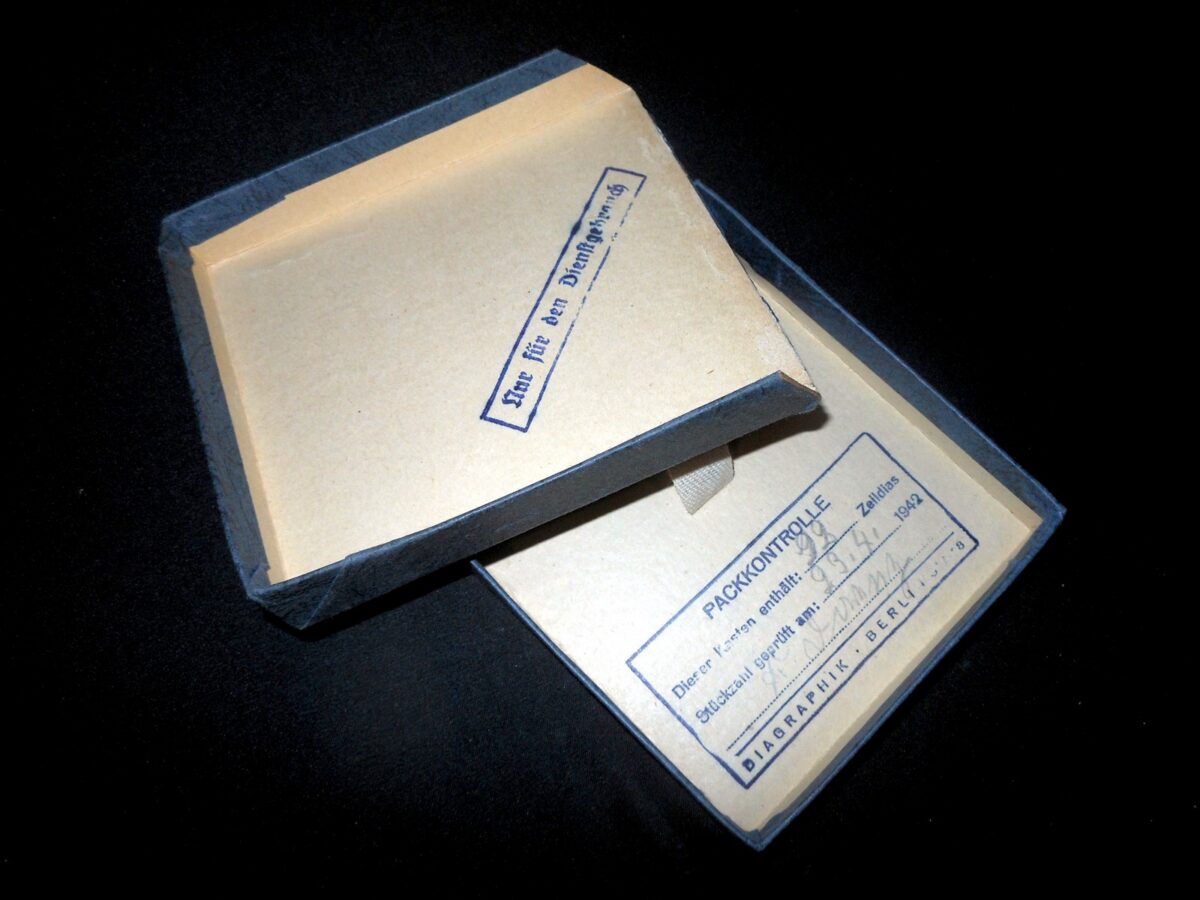
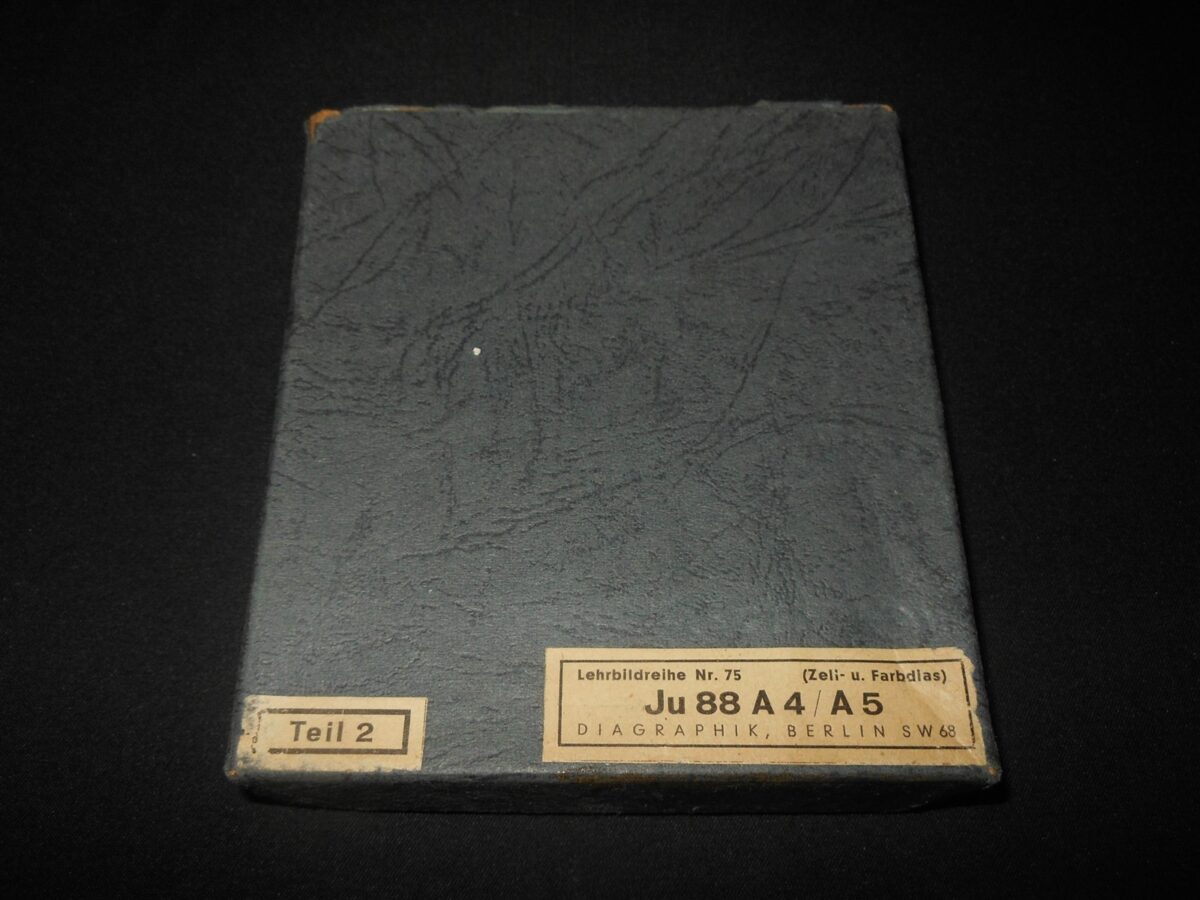
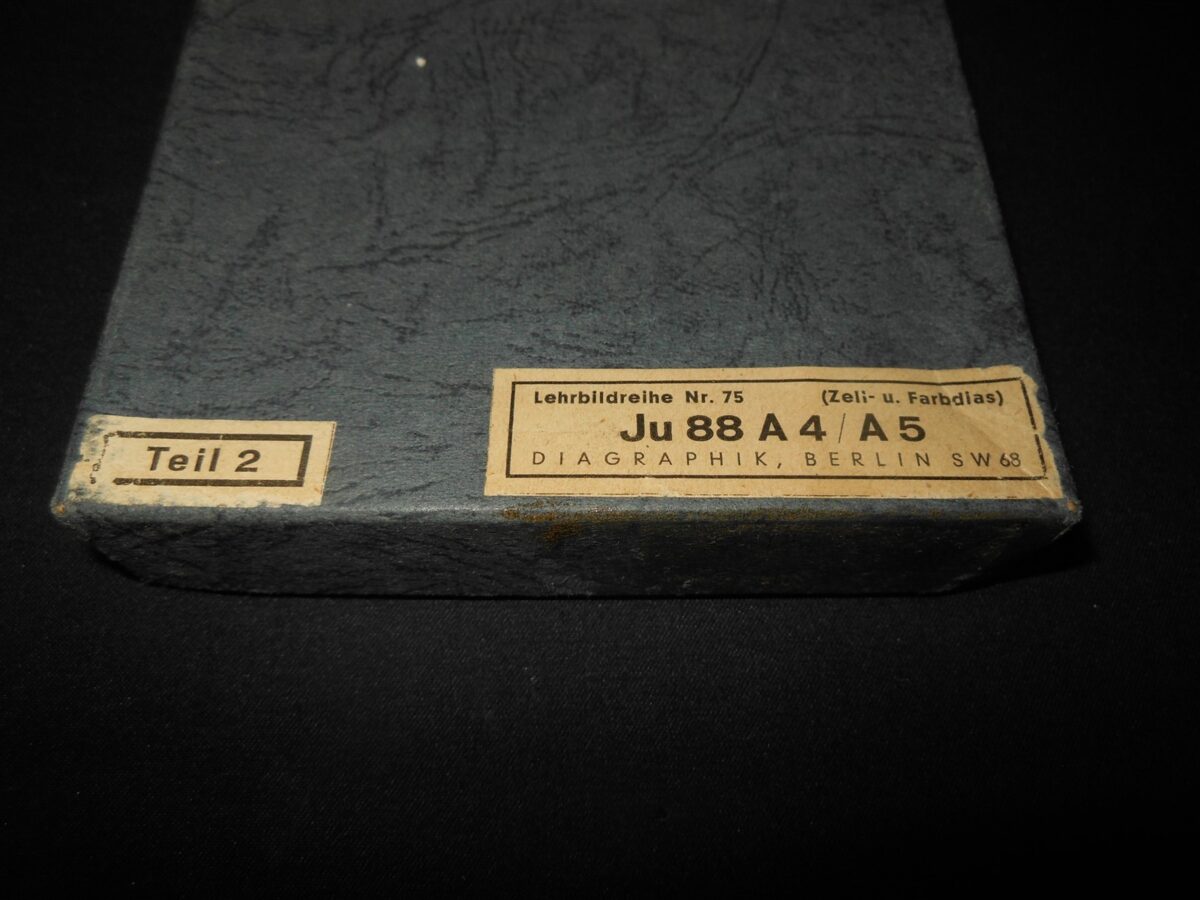
Made of Gelatin or Nitrate, and dated April 23, 1942, this set is in EXCELLENT used condition! Though there are some slight marks and wear, it is a 100% COMPLETE set, consisting of 92 INDIVIDUAL transparencies. These primarily cover the cockpit, radio, and weapon systems in various images, diagrams, and schematics. They were used for presentation purposes, and were replicated in some of the handbooks that are available (though most of these images, I have never seen before). As these are hard to photograph, I have only shown a few examples in the auction listing. As only 900 Ju88 C6 Night Fighters were ever produced…and NONE survived the war, this set EXCEEDINGLY rare! Would make a SUPERB addition to any display, collection, or restoration project!


