
Description
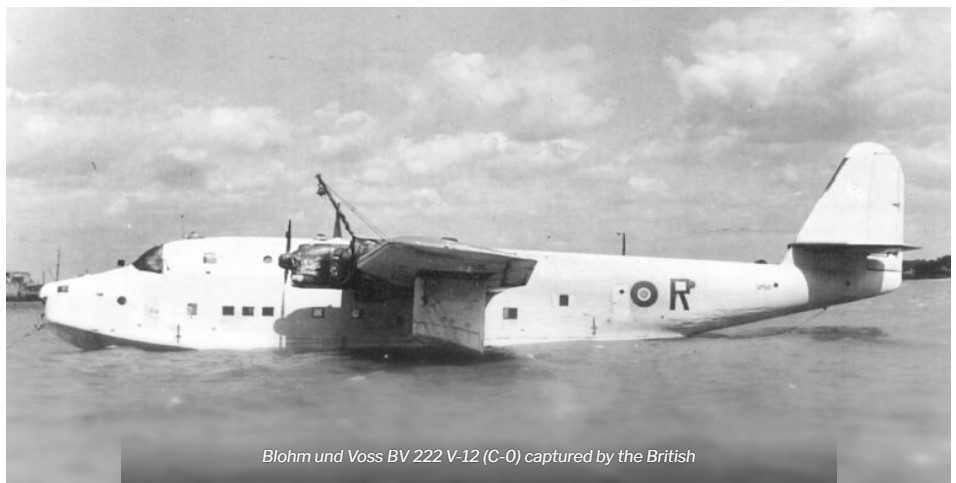
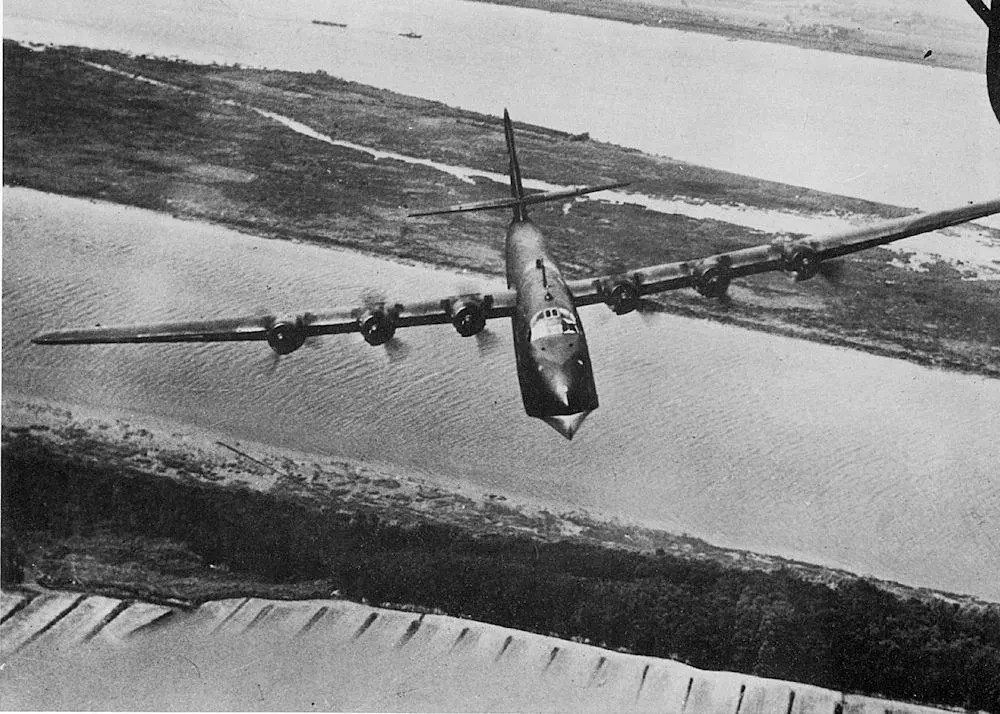
The Blohm & Voss BV222 “Wiking” was the largest operational flying boat of the Second World War, designed for long-range maritime transport and reconnaissance. With only 12 aircraft produced, it represented the pinnacle of German heavy seaplane engineering, incorporating advanced navigation, autopilot systems, and long-duration flight capability. These aircraft operated primarily over the Mediterranean and Atlantic, supporting logistical and reconnaissance missions where range and payload were critical.
This specific aircraft, BV222 V12 (C-012), W.Nr. 330052 of Stab/FAGr130 was captured intact by British forces at Sørreisa in Norway in June 1945. After several tests at Trondheim, it was flown in July by Captain Eric “Winkle” Brown from Norway, passing through Copenhagen Kastrup-See, Travemunde, Sylt, and then finally to the RAF station at Calshot in 1946. The total flight duration of the transfer from Trondheim was 12 hours and 55 minutes. It was assigned the RAF serial number “VP501”, and was tested by the Marine Aircraft Experimental Establishment at Felixstowe, with tests totalling 1 hour and 45 minutes. While being operated by No. 201 Squadron, the Jumo 207C engines generated a large number of problems, making it difficult to maintain. Due to the ongoing engine problems, it was scrapped in 1947.
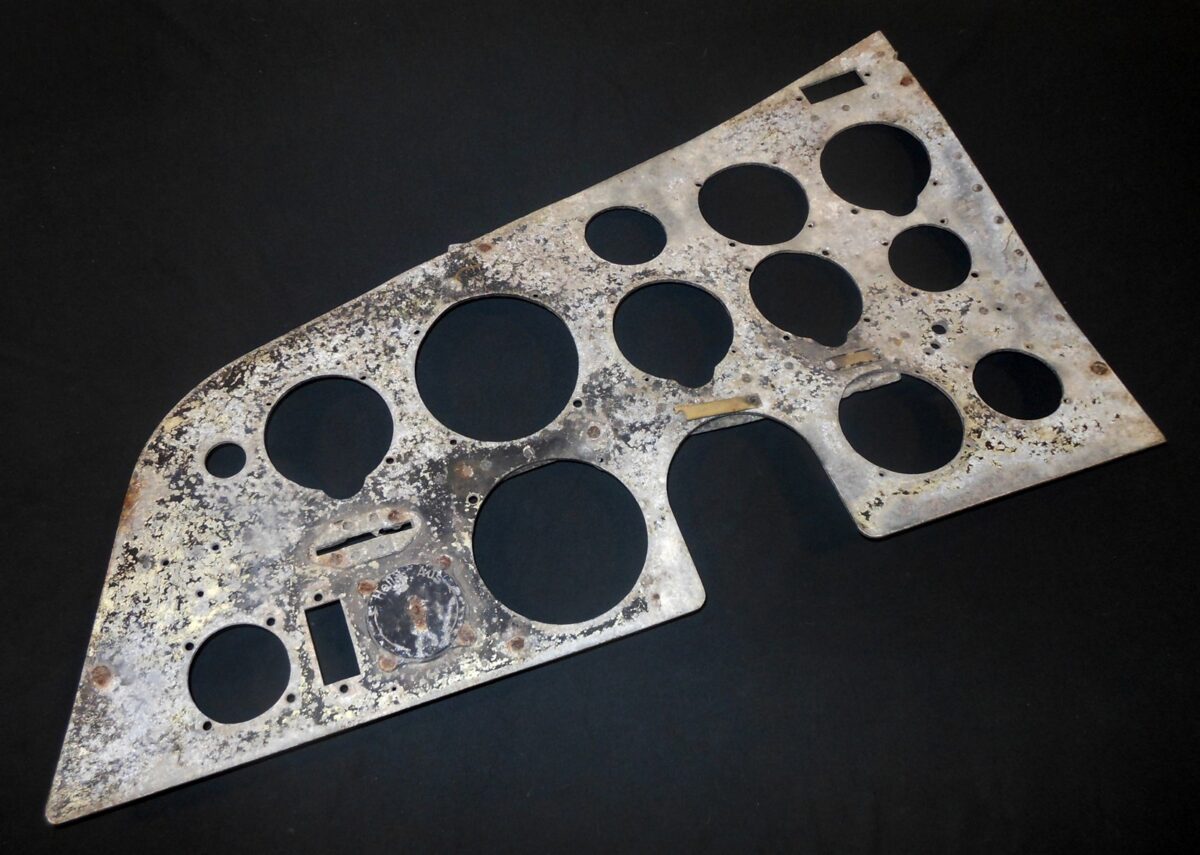
This panel originates directly from that aircraft and was recovered from the original British scrapyard in the 1980s, making it the ONLY surviving complete main instrument panel from any BV222 in existence.
Made of aluminum, this original Pilot Main Instrument Panel is in SUPERB used condition! Retaining its correct and unmistakable factory shape and layout, the panel measures approximately 15″ x 27″ in size and remains structurally solid with NO cracks, repairs or damage! Some slight age-related wear and marks, but nothing ghta detracts. The front retains approximately 10% of its original RLM66 finish (now largely worn to bare metal); while the reverse retains approximately 90% original paint, clearly showing its wartime finish. The panel exhibits light surface corrosion consistent with age but remains COMPLETELY SOUND. There are slight bends from being in a scrapyard for decades, but it remains straight enough for display as-is, or with reinstallation of the instruments if desired. All edges are clean with NO torch cutting or scrap damage. It retains the remains of the 4 original shock mounts (no rubber remains), as well as one surviving instrument UV Light Dimmer Switch. On the front are 2 original British-applied identification tags that were rivited in place after capture, and are clearly marked in English for, “RATE OF CLIMB” and “ALTIMETER”. These were applied during RAF evaluation between 1945 and 1947, and are ORIGINAL to the aircraft’s capture history, and significantly enhance provenance! The presence of the original RAF-applied identification labels places this panel firmly within the post-capture British evaluation phase, adding a unique and highly desirable secondary historical layer!
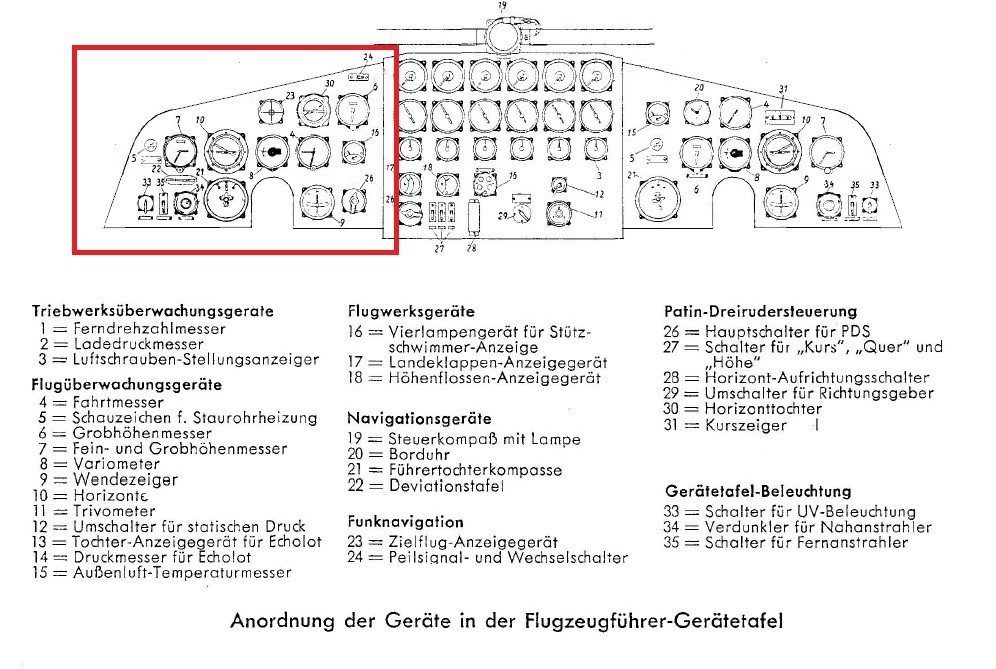
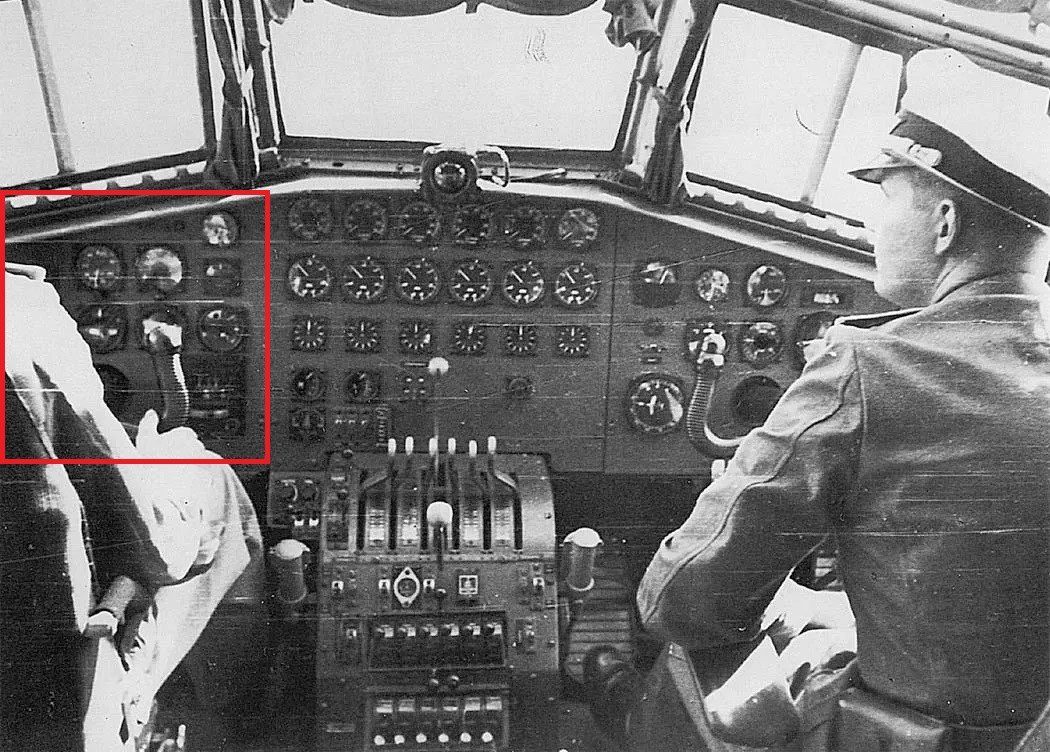
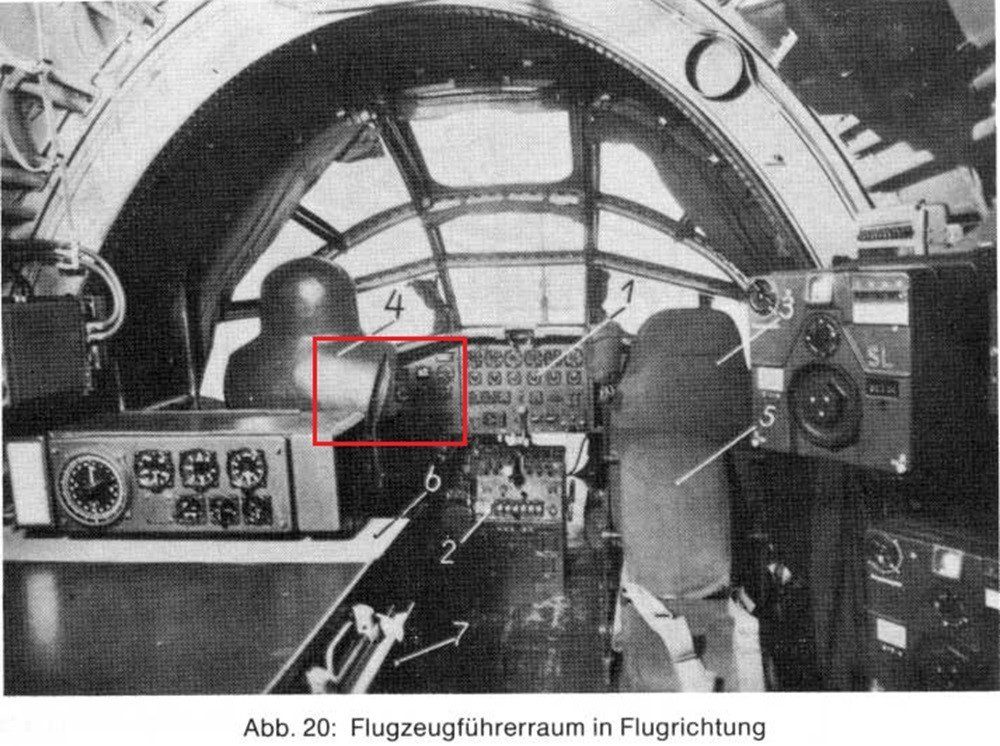
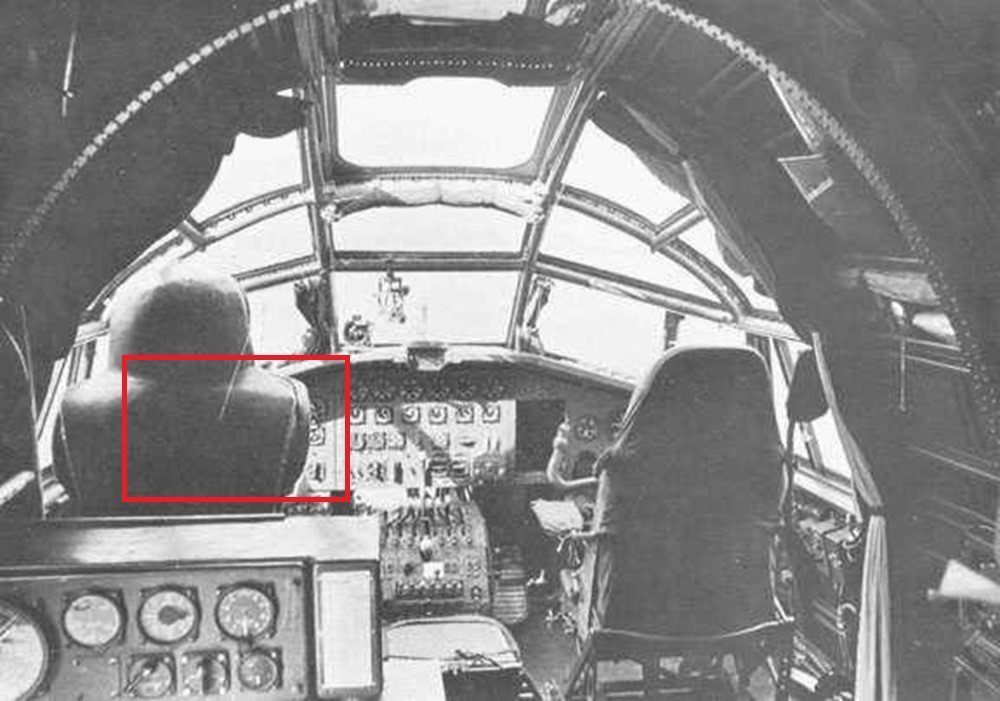
The reverse of the panel retains original German electrical coding, including K-prefixes (autopilot); an F-prefix (AFN2 system); an M-prefix (Temperature); and C-prefix designations, all consistent with documented BV222 instrumentation layouts. These markings further CONFIRM AUTHENTICITY and aircraft-specific configuration. Note that the BV222 instrument panel layouts changed as both the war and technology progressed. This exact panel and layout represent the last panel variant produced for the BV222. I have indicated its location in the last images, where you can see the difference between the V2 and V7 variants.
This panel is 100% ORIGINAL, IDENTIFIABLE, and represents a ONE-OF-A-KIND SURVIVING COMPONENT from a historically documented aircraft. There are NO KNOWN COMPARABLE EXAMPLES in existence, making this an exceptional MUSEUM-GRADE CENTERPIECE, suitable for the most advanced aviation or WWII collections!


