

Description
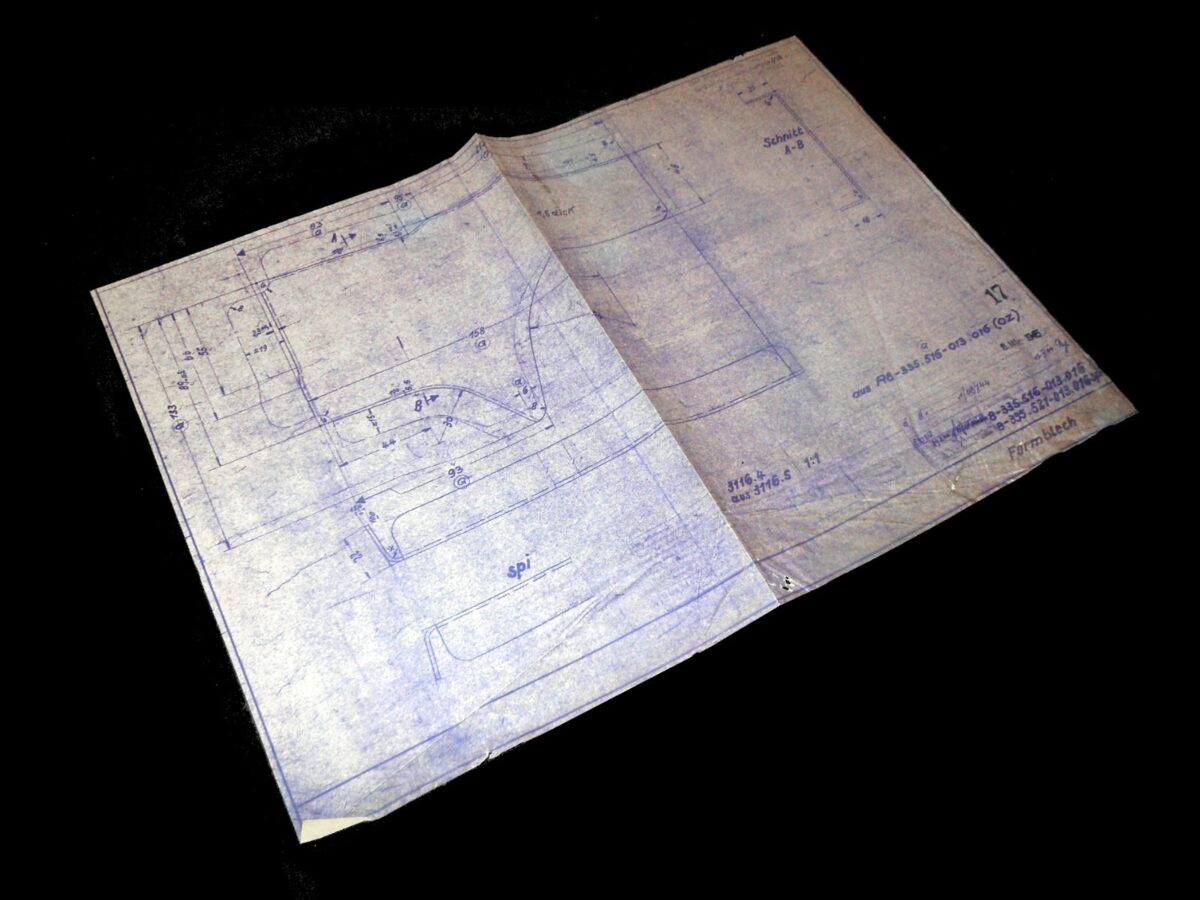
You are bidding on a FANTASTIC and VERY RARE WW2 German Luftwaffe Dornier Do335 Pfeil “Arrow” Factory Blueprint! This aircraft featured an unusual push-pull configuration, and was considered one of the fastest piston-engined aircraft ever produced. Though I do not have any specific history of this item, this came from the estate of a former Dornier employee who worked at the factory both during and after the war.
The Dornier Do335 Pfeil (Arrow) is a heavy fighter built by Dornier for Germany during World War II. The Pfeil’s performance was predicted to be better than other twin-engine designs due to its unusual push-pull configuration and the lower aerodynamic drag of the in-line alignment of the two engines. It is considered one of the fastest piston-engined aircraft ever[2] and was Nazi Germany’s fastest piston-engined aircraft of World War II. The Luftwaffe was desperate to get the design into operational use, but delays in engine deliveries meant that only a handful were delivered before the war ended and it never saw combat.
The Do335 was originally designed as a Schnellbomber. It could reach speeds of around 800 km/h in level flight, and could outrun most of the military aircraft in service at the time, with only first generation jet fighters being faster
.Delivery commenced in January 1945. When the United States Army overran the Oberpfaffenhofen factory in late April 1945, only 11 Do 335 A-1 single-seat fighter-bombers and two Do 335 A-12 trainers had been completed. The two-seater trainer version was called Ameisenbär (“anteater”).
French ace Pierre Clostermann claimed the first Allied combat encounter with a Pfeil in April 1945. He described leading a flight of four Hawker Tempests from No. 3 Squadron RAF over northern Germany when they came across an unknown aircraft whose description matched the Do 335’s, flying at maximum speed at treetop level. Detecting the British aircraft, the German pilot reversed course to evade. Two pilots fired on the Dornier but Clostermann, despite the Tempests’ considerable low altitude speed, decided not to attempt to chase it as it was obviously much faster.
On 26 April 1945, the Do 335 V9, which was still at Rechlin, was test-flown by Oberleutnant Heinrich Schild. Later that day he escorted Hanna Reitsch and General der Flieger Robert von Greim’s flight to Berlin-Gatow. After arriving at Gatow, Reitsch and von Greim commandeered a Fieseler Fi 156 Storch and flew to Hitler’s bunker. Also on 26 April, Fliegerstabsing Heinz Fischer attempted to fly Do 335 V9 from Rechlin to Switzerland. Due to a compass failure, he strayed over France and ran out of fuel. Both the ejector seat and the tail jettison mechanism failed and he had to bail out over the Vosges mountains.
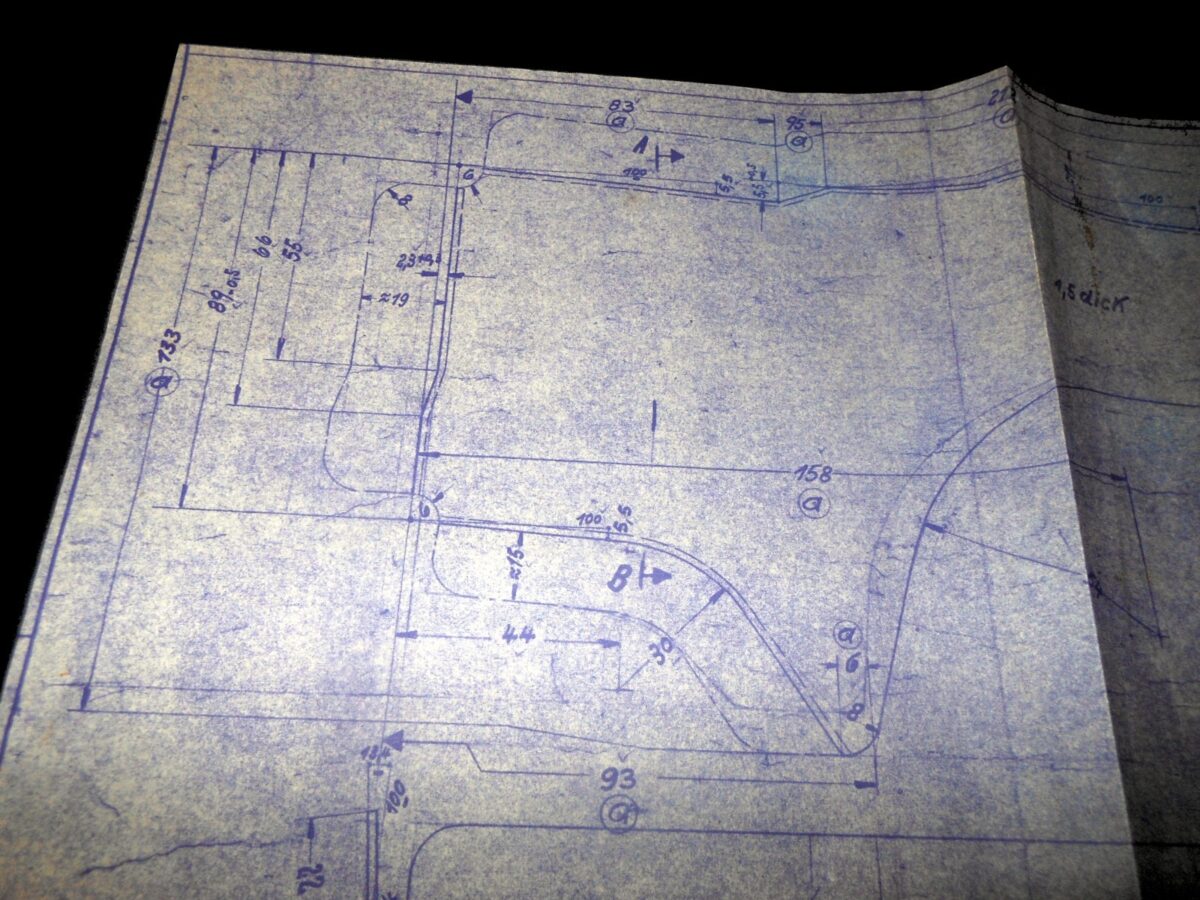
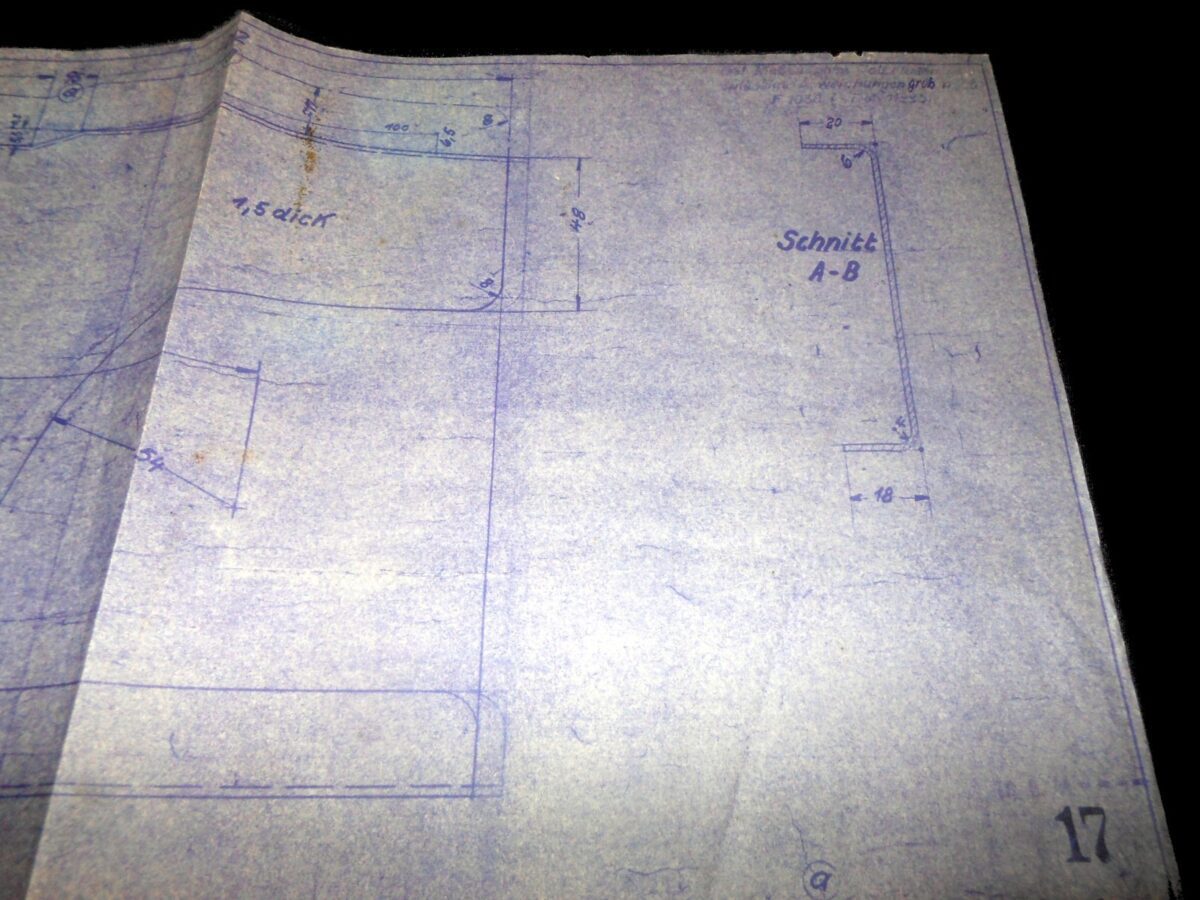
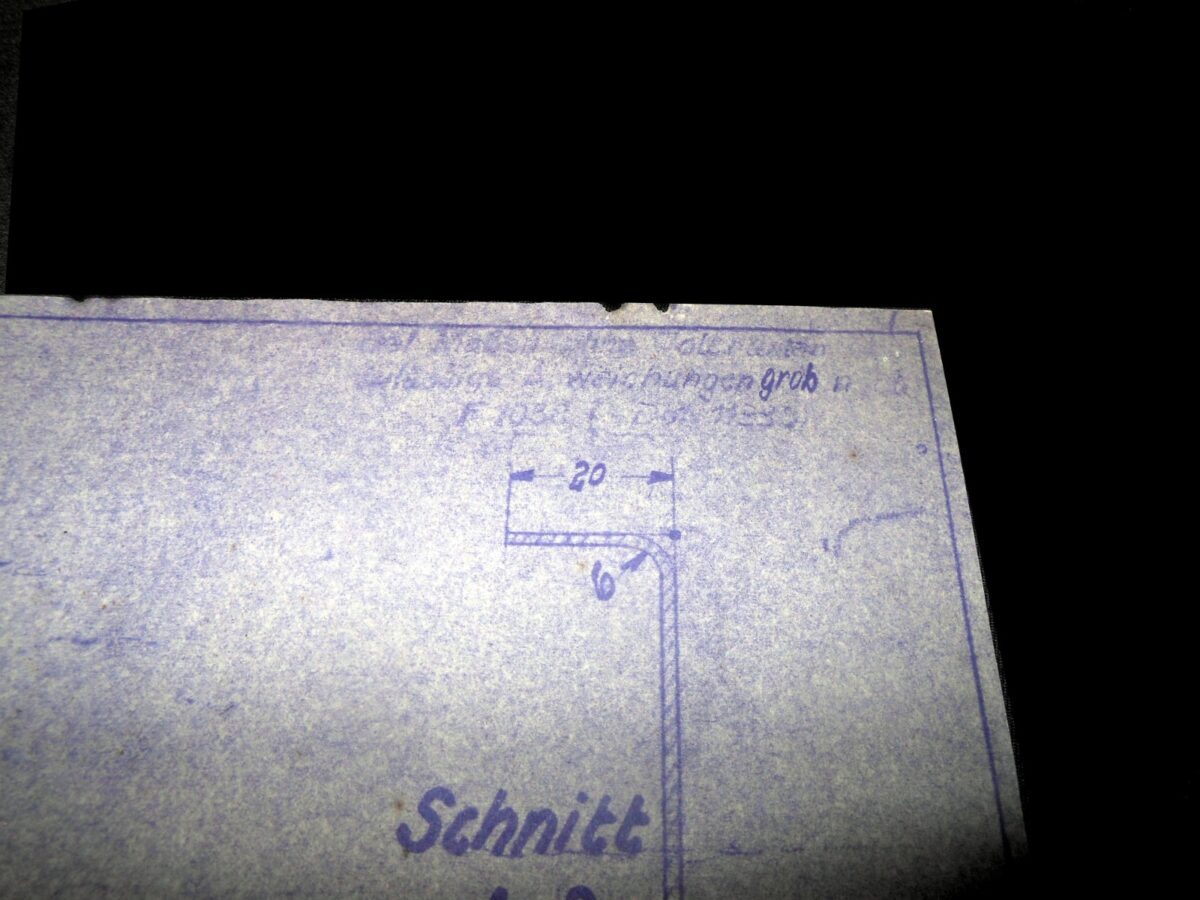
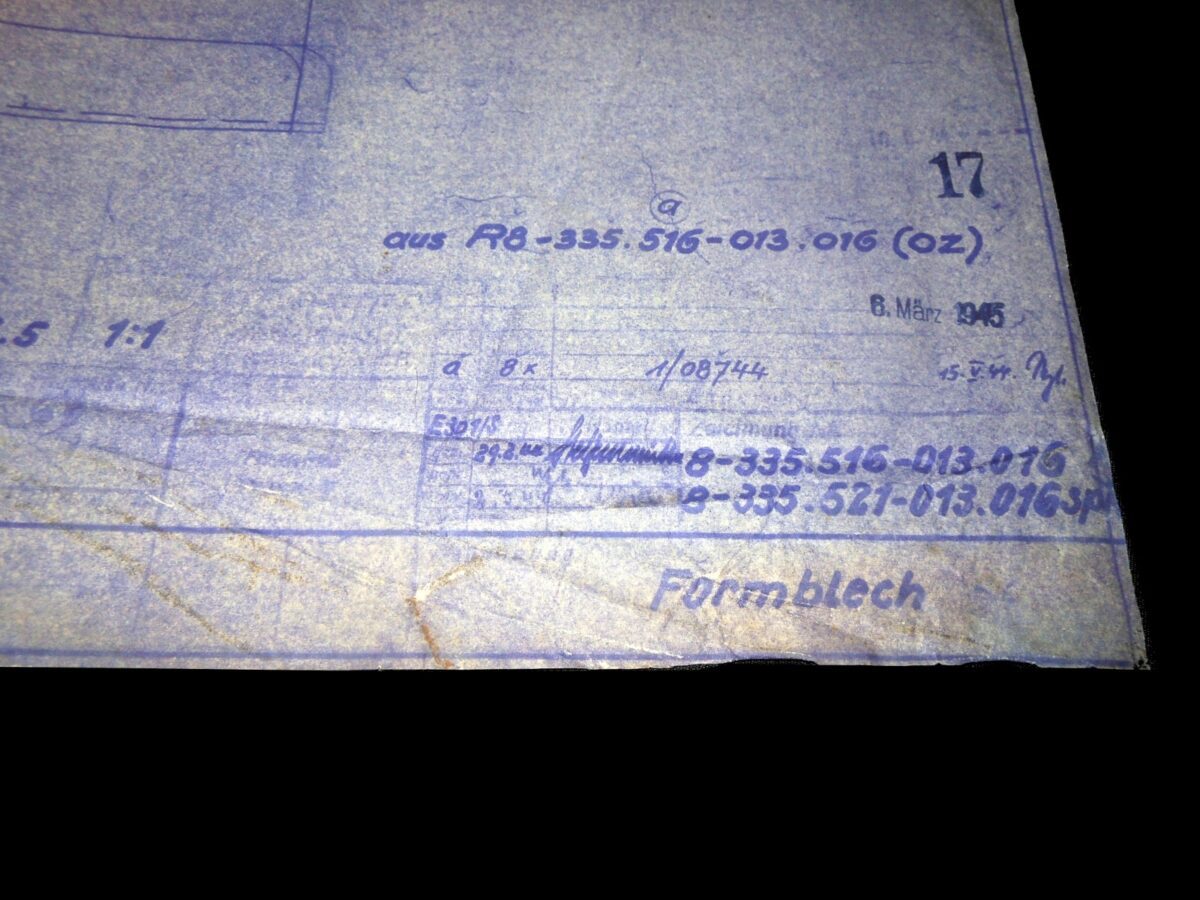
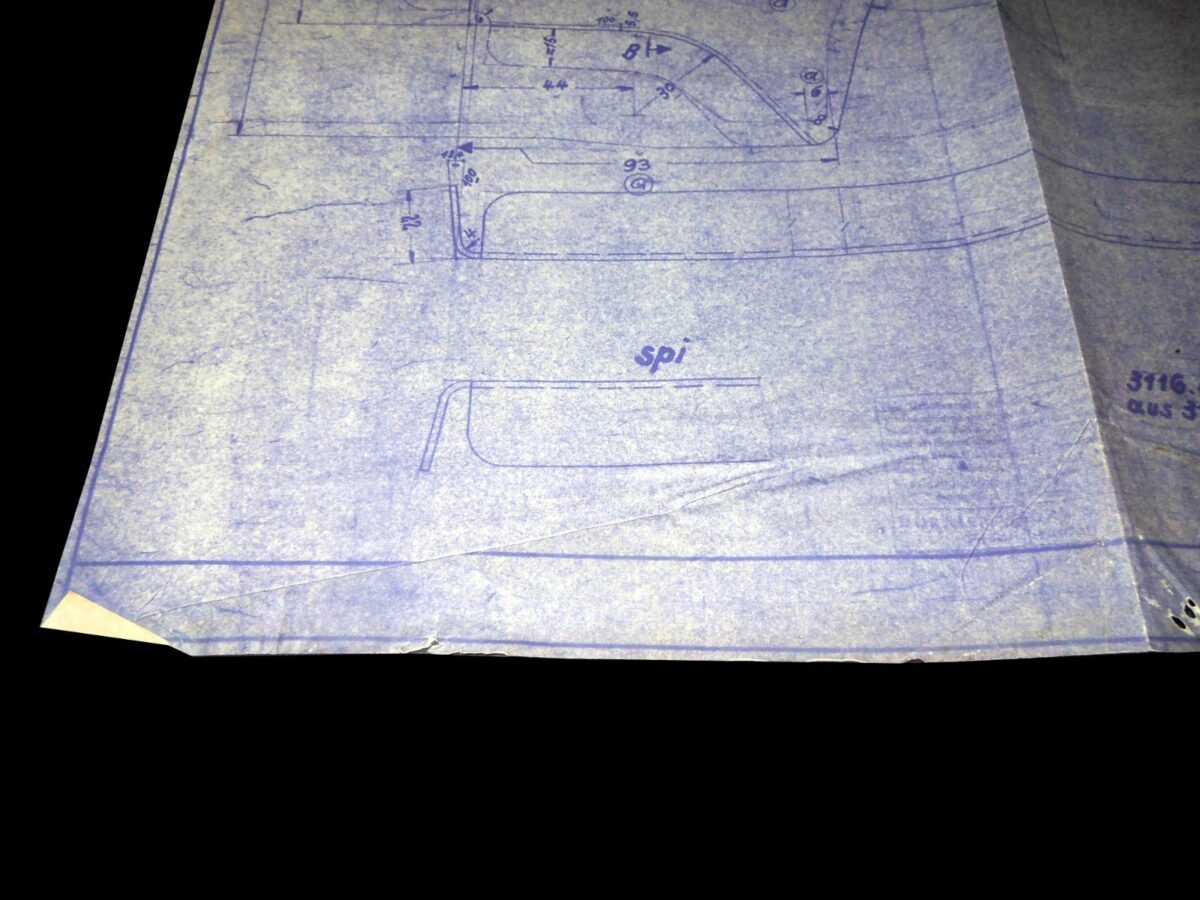
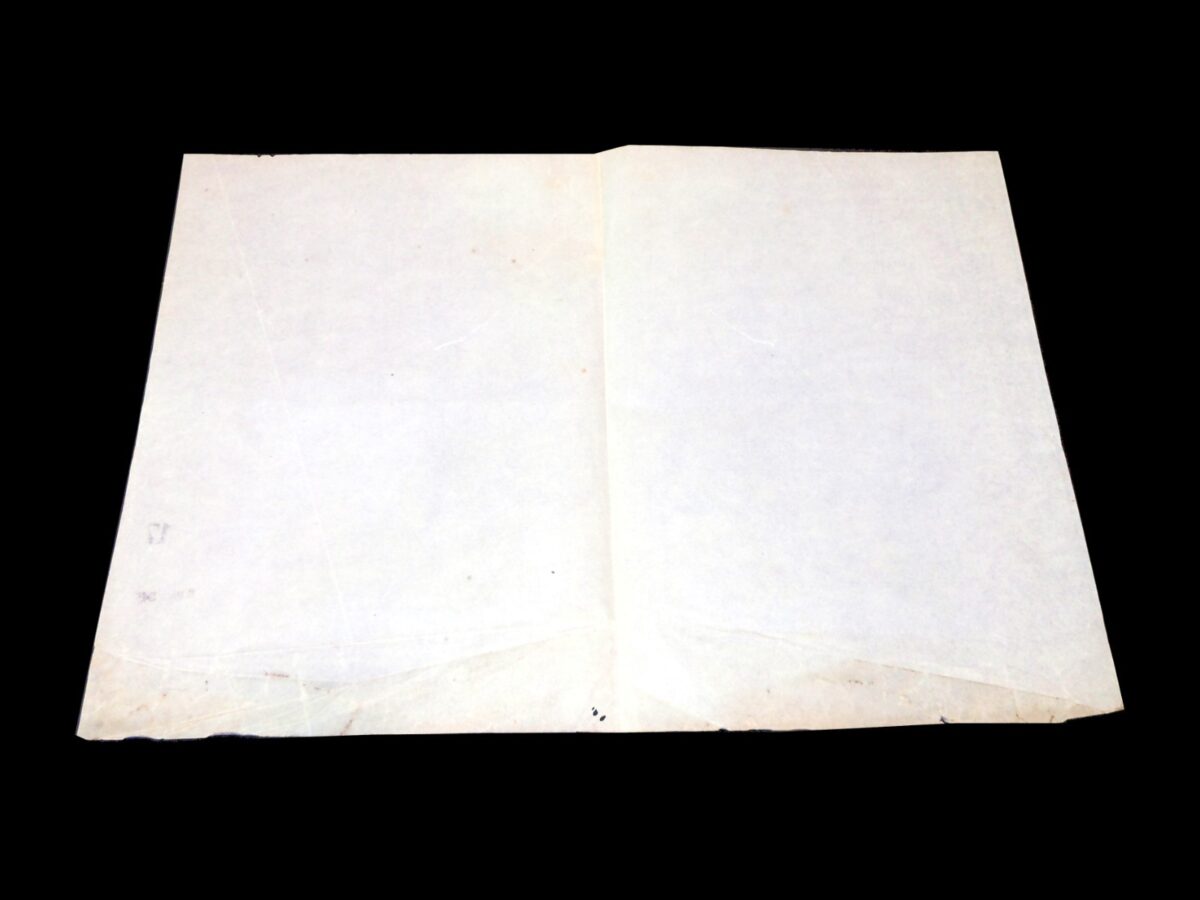
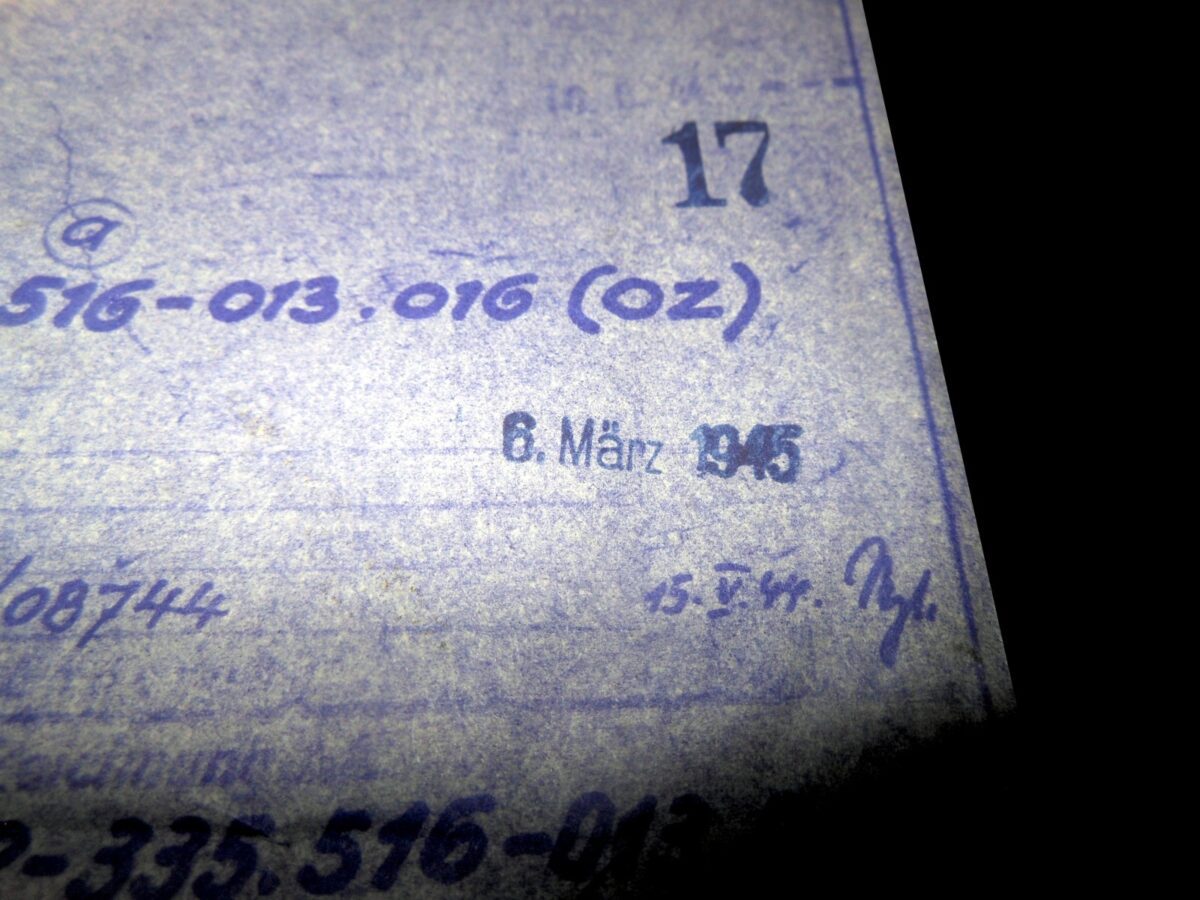
This is an AMAZING and EXTRAORDINARILY RARE reference for the Dornier Do335 fan! Though it does feature some marks, wear, and creases due to the age, this blueprint remains in EXCELLENT condition! Covering a “Formblech” Support Piece from inside the wing, the part number indicates, 8-335.516-013.016 / 8-335.521-013.016. Print is dated May 15, 1944, however it features an ink stamp dated March 6, 1945. It is a bit faded, but clearly indicates the type and manufacture. Probably the only remaining original blueprint that exists of this aircraft, it would make a SUPERB addition to any collection or display!


